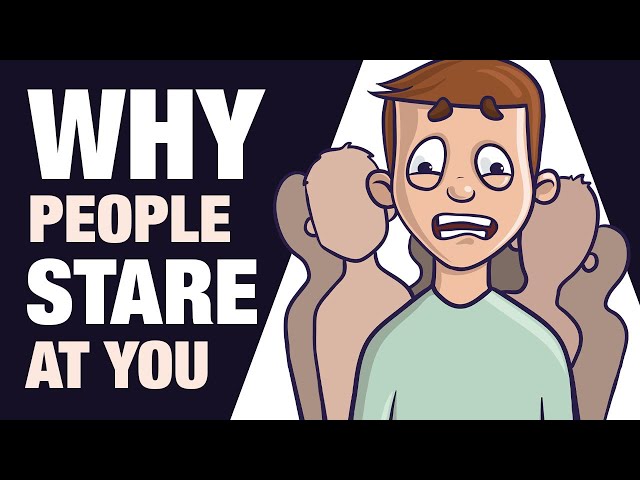
Being the topic of undesirable consideration may be unsettling, and questioning “why do folks all the time stare at me” is a typical concern. This scrutiny can stem from varied causes, starting from bodily look to social cues. Understanding these causes may help alleviate anxiousness and empower people to deal with the scenario successfully.
A number of elements contribute to why folks might stare. Bodily attributes equivalent to distinctive options, uncommon clothes, or seen disabilities can draw consideration. Moreover, sure behaviors, like fidgeting or making eye contact, may be perceived as uncommon and set off stares. Social dynamics additionally play a job; people who seem totally different or don’t conform to societal norms might face elevated scrutiny.
The affect of being stared at can range enormously. Whereas some might really feel self-conscious or uncomfortable, others might expertise anxiousness and even concern. Understanding the explanations behind the staring may help people develop coping mechanisms. If the eye is because of bodily look, embracing individuality and working towards self-acceptance may be empowering. When staring stems from social elements, studying to navigate social conditions confidently and constructing a assist system can present resilience.
Why Do Folks All the time Stare at Me?
Being subjected to persistent stares may be an unsettling expertise. Understanding the explanations behind this scrutiny may help people develop efficient coping mechanisms. Listed below are eight key elements to think about:
- Bodily Look: Distinctive options, uncommon clothes, or seen disabilities can draw consideration.
- Habits: Fidgeting, making eye contact, or exhibiting uncommon mannerisms can set off stares.
- Social Norms: People who seem totally different or don’t conform to societal expectations might face elevated scrutiny.
- Cultural Variations: Staring norms range throughout cultures, and what’s thought of acceptable in a single context could also be perceived as impolite in one other.
- Social Nervousness: People with social anxiousness might misread stares as unfavourable, even when they aren’t.
- Confidence: Individuals who undertaking confidence and self-assurance are much less more likely to be stared at.
- Self-Consciousness: Being conscious of 1’s personal physique language and habits may help people perceive how they might be perceived by others.
- Help System: Having a robust assist system of family and friends can present reassurance and assist people address undesirable consideration.
Understanding these key elements can empower people to deal with the problem of being stared at. Embracing individuality, working towards self-acceptance, and growing social confidence may help mitigate emotions of self-consciousness and anxiousness. Constructing a assist system and looking for skilled assist when wanted can additional improve resilience and well-being.
Bodily Look
Bodily look is a big issue contributing to why folks stare. Distinctive options, equivalent to distinctive facial traits, birthmarks, or tattoos, can appeal to consideration. Uncommon clothes decisions, whether or not resulting from private type or cultural norms, can even make people stand out in a crowd. Moreover, seen disabilities, equivalent to bodily deformities or mobility impairments, can elicit stares resulting from their noticeable nature.
The connection between bodily look and staring is rooted in human curiosity and social conditioning. People might stare to fulfill their curiosity about one thing unfamiliar or totally different from their very own look. Societal norms additionally affect staring habits, with sure bodily attributes or disabilities being related to stereotypes or biases. This will result in each intentional and unintentional stares, starting from transient glances to extended statement.
Understanding the position of bodily look in staring may help people develop coping mechanisms and techniques for managing undesirable consideration. Embracing individuality and working towards self-acceptance can empower people to really feel assured and fewer self-conscious about their bodily attributes. Moreover, educating others about disabilities and difficult societal stereotypes may help scale back stigma and create a extra inclusive surroundings.
Habits
Habits performs a big position in attracting undesirable consideration. Fidgeting, making eye contact, or exhibiting uncommon mannerisms can all set off stares from others.
-
Fidgeting
Fidgeting, equivalent to tapping your toes, twirling your hair, or pacing backwards and forwards, may be distracting and draw consideration to your self. Others might understand fidgeting as an indication of nervousness, anxiousness, or boredom, which may make them really feel uncomfortable or curious. -
Eye Contact
Making eye contact is usually thought of an indication of respect and engagement in dialog. Nonetheless, extended or intense eye contact may be interpreted as aggressive, intimidating, and even flirtatious, relying on the cultural context. -
Uncommon Mannerisms
Exaggerated or uncommon mannerisms, equivalent to rocking backwards and forwards, buzzing to your self, or making unusual facial expressions, can appeal to stares as a result of they deviate from social norms. Others could also be puzzled or involved by these behaviors, main them to stare in an try to know. -
Cultural Variations
It is vital to notice that staring norms range throughout cultures. In some cultures, direct eye contact is taken into account an indication of respect, whereas in others, it might be seen as disrespectful or difficult. Being conscious of cultural variations may help you keep away from misinterpreting stares and modify your habits accordingly.
Understanding the connection between habits and staring may help you develop methods to reduce undesirable consideration. If you end up fidgeting or making uncommon mannerisms, attempt to turn out to be extra conscious of those behaviors and make an effort to regulate them. In conditions the place eye contact is unavoidable, observe sustaining a impartial and respectful gaze.
Social Norms
Understanding the connection between social norms and being stared at is essential in addressing the query of “why do folks all the time stare at me.” People who deviate from societal expectations of their look or habits might appeal to undesirable consideration as a result of following aspects:
-
Deviation from Bodily Norms
People with bodily attributes which might be perceived as totally different or unconventional, equivalent to seen disabilities, distinctive facial options, or different trend types, might face elevated scrutiny. That is partly as a result of tendency for folks to concentrate on and attempt to make sense of issues which might be unfamiliar or deviate from the norm. -
Behavioral Variations
Behaviors which might be thought of eccentric, uncommon, or disruptive can even appeal to stares. This consists of mannerisms equivalent to fidgeting, making extreme noise, or participating in repetitive actions that deviate from social conventions. Others might stare in an try to know or make sense of those behaviors. -
Non-Conformity to Gender Roles
People who don’t conform to conventional gender roles or expectations can also expertise elevated scrutiny. This consists of individuals who categorical their gender in ways in which problem societal norms, equivalent to transgender or non-binary people, or those that have interaction in actions or occupations which might be sometimes related to the alternative gender. -
Cultural Variations
It is vital to acknowledge that social norms and expectations range throughout cultures. Behaviors or appearances which might be acceptable and even celebrated in a single tradition could also be met with stares or disapproval in one other. Being conscious of cultural variations may help people perceive and navigate social interactions in several contexts.
In conclusion, the connection between social norms and being stared at is complicated and multifaceted. By understanding the assorted aspects that contribute to this phenomenon, people can acquire insights into why they might be attracting undesirable consideration. This consciousness can empower them to develop coping mechanisms, embrace their individuality, and navigate social conditions with confidence.
Cultural Variations
Cultural variations play a pivotal position in understanding the phenomenon of “why do folks all the time stare at me.” Staring norms range considerably throughout cultures, and what’s thought of acceptable habits in a single cultural context could also be perceived as impolite or intrusive in one other. This will result in confusion and discomfort, significantly for people who’re unfamiliar with the native customs and social cues.
For instance, in some cultures, direct eye contact is seen as an indication of respect and engagement, whereas in others, it may be interpreted as a problem or perhaps a type of aggression. Equally, the quantity of non-public house thought of acceptable varies enormously from tradition to tradition. In some contexts, standing near somebody is seen as an indication of intimacy or familiarity, whereas in others, it may be perceived as disrespectful and even threatening.
Understanding these cultural variations is crucial for navigating social interactions and avoiding misunderstandings. When touring to a brand new nation or interacting with folks from totally different cultural backgrounds, it is very important pay attention to the native staring norms and modify your habits accordingly. This may help forestall pointless consideration or discomfort and foster extra constructive and respectful interactions.
In conclusion, the connection between cultural variations and being stared at is complicated and multifaceted. By understanding the varied staring norms that exist throughout cultures, people can acquire insights into the the reason why they might be attracting undesirable consideration. This consciousness can empower them to navigate social conditions with confidence and respect, no matter cultural variations.
Social Nervousness
Social anxiousness, often known as social phobia, is a psychological well being situation that causes extreme concern and anxiousness in social conditions. People with social anxiousness usually fear about being judged or scrutinized by others, and so they might misread even essentially the most innocuous stares as an indication of criticism or rejection. This will result in a vicious cycle, the place the concern of being stared at triggers anxiousness, which in flip makes the person extra self-conscious and more likely to understand stares as unfavourable.
The connection between social anxiousness and being stared at is important as a result of it could possibly have a profound affect on the person’s high quality of life. Folks with social anxiousness might keep away from social conditions altogether, which may result in isolation and loneliness. They could additionally expertise issue in forming and sustaining relationships, as they’re continually frightened about being judged or rejected.
Understanding the connection between social anxiousness and being stared at is crucial for growing efficient coping mechanisms. Cognitive behavioral remedy (CBT) is a sort of remedy that may assist people with social anxiousness problem their unfavourable ideas and develop extra constructive self-perceptions. This may help scale back the concern of being stared at and enhance the person’s total high quality of life.
In conclusion, social anxiousness can result in a misinterpretation of stares as unfavourable, even when they aren’t. This will have a big affect on the person’s high quality of life, however it may be managed by means of efficient coping mechanisms equivalent to CBT. By understanding the connection between social anxiousness and being stared at, people can take steps to beat their fears and dwell extra fulfilling lives.
Confidence
Confidence performs a big position in decreasing undesirable consideration. When people exude confidence and self-assurance, they have an inclination to draw much less stares in comparison with those that seem insecure or self-conscious. This connection may be attributed to a number of key aspects:
- Physique Language: Assured people usually carry themselves with an upright posture, make direct eye contact, and use expansive gestures. These nonverbal cues convey a way of self-assurance and luxury, making them much less more likely to be perceived as susceptible or approachable.
- Facial Expressions: Assured folks are inclined to have extra impartial or constructive facial expressions, indicating that they’re comfy and relaxed. This lack of emotional misery or discomfort reduces the chance of drawing consideration from others.
- Voice and Speech: Assured people sometimes communicate with a transparent and regular voice, sustaining a great tempo and quantity. This managed and articulate speech type conveys a way of authority and competence, making it much less doubtless for others to stare out of curiosity or confusion.
- Habits: Assured people usually tend to have interaction in purposeful and assertive behaviors. They’re much less more likely to fidget or show nervous mannerisms, which may appeal to undesirable consideration. As an alternative, they have an inclination to maneuver and act with a way of route and self-assurance.
In conclusion, understanding the connection between confidence and being stared at can empower people to develop methods for managing undesirable consideration. By working towards assured physique language, facial expressions, speech, and habits, people can undertaking a way of self-assurance that reduces the chance of being stared at. This may help them really feel extra comfy and assured in social conditions, finally enhancing their total well-being.
Self-Consciousness
Understanding the connection between self-awareness and being stared at is essential for addressing the query of “why do folks all the time stare at me.” Self-awareness refers back to the potential to acknowledge and perceive one’s personal ideas, emotions, and behaviors, together with physique language and nonverbal cues. By growing self-awareness, people can acquire insights into how their actions and demeanor could also be perceived by others.
-
Physique Language and Nonverbal Cues
Physique language and nonverbal cues play a big position in communication and may convey messages even with out phrases. Being conscious of 1’s personal physique language may help people perceive how they’re projecting themselves to others. For instance, sustaining eye contact, having an open and approachable posture, and utilizing acceptable gestures can convey confidence and engagement, making one much less more likely to be perceived as shy or withdrawn, which might appeal to stares.
-
Facial Expressions
Facial expressions are one other vital side of nonverbal communication. Being conscious of 1’s facial expressions may help people perceive how they’re conveying feelings and intentions to others. For example, sustaining a impartial or constructive facial features can scale back the chance of drawing consideration resulting from perceived misery or discomfort.
-
Private Area and Boundaries
Understanding and respecting private house and bounds is essential for self-awareness. Being conscious of how shut one stands to others and being aware of their consolation stage can forestall making others really feel uncomfortable or invaded, which might set off stares.
-
Cultural Variations
You will need to acknowledge that nonverbal cues and private house norms range throughout cultures. Being conscious of cultural variations and adjusting one’s habits accordingly may help keep away from misinterpretations and scale back the chance of undesirable consideration.
In conclusion, growing self-awareness by understanding one’s physique language, nonverbal cues, and cultural variations can empower people to handle undesirable consideration and navigate social interactions with confidence. By being aware of how they’re perceived by others, they’ll make changes to their habits to reduce stares and improve their total communication and social abilities.
Help System
A sturdy assist system composed of shut family and friends members performs a pivotal position in mitigating the affect of undesirable consideration and fostering resilience. This community offers people with emotional assist, validation, and coping mechanisms to navigate the challenges related to being stared at.
-
Emotional Help
A supportive community can provide solace and luxury throughout occasions of misery. Family and friends can present a listening ear, empathy, and reassurance, serving to people course of their feelings and scale back emotions of self-consciousness or anxiousness triggered by undesirable consideration. -
Validation
Validation from family members may help people problem unfavourable self-perceptions and construct a stronger sense of self-worth. When others acknowledge and perceive their experiences, it reinforces the concept that their emotions are legitimate and that they aren’t alone in going through undesirable consideration. -
Coping Mechanisms
Family and friends can share coping methods and methods which have helped them handle related experiences. They will provide sensible recommendation, equivalent to working towards mindfulness, participating in self-care actions, or looking for skilled assist when wanted. -
Confidence-Constructing
A supportive community can contribute to constructing a person’s confidence and self-assurance. Encouragement, constructive affirmations, and reminders of 1’s strengths can empower people to really feel extra comfy in their very own pores and skin and fewer affected by the judgment or scrutiny of others.
In conclusion, a robust assist system of family and friends offers a buffer in opposition to the unfavourable results of undesirable consideration. It presents emotional assist, validation, coping mechanisms, and confidence-building, enabling people to manage higher with this expertise and keep a constructive self-image.
FAQs About “Why Do Folks All the time Stare at Me”
This part addresses widespread issues and misconceptions surrounding the query of “why do folks all the time stare at me.” It offers concise and informative solutions to assist people higher perceive the potential causes for undesirable consideration and develop efficient coping mechanisms.
Query 1: Is it all the time as a result of there’s one thing incorrect with my look?
No, not essentially. Whereas bodily attributes can contribute to being stared at, it isn’t the only real cause. Folks can also stare resulting from social norms, cultural variations, and even their very own curiosity or anxiousness.
Query 2: Does being stared at imply that I am being judged?
Not all the time. Whereas stares can generally point out judgment or criticism, they may also be curiosity, admiration, and even confusion. It is necessary to not assume the worst and to think about the context and cultural elements which will affect the habits.
Query 3: How can I cease folks from observing me?
There isn’t any assured solution to forestall being stared at totally. Nonetheless, growing self-confidence, working towards good posture and eye contact, and being conscious of your environment and private house may help scale back undesirable consideration.
Query 4: Is it an indication of a psychological well being problem if I am overly involved about being stared at?
Extreme concern about being stared at may very well be a symptom of social anxiousness dysfunction. This situation entails intense concern and anxiousness in social conditions and may result in avoidance behaviors. If you happen to expertise important misery or impairment resulting from this concern, looking for skilled assistance is advisable.
Query 5: How can I address the anxiousness and self-consciousness brought on by being stared at?
Observe mindfulness methods, equivalent to deep respiratory and meditation, to handle anxiousness. Problem unfavourable self-talk and focus in your constructive qualities. Constructing a robust assist system of family and friends can even present emotional assist and reassurance.
Query 6: Is it ever acceptable to confront somebody who’s observing me?
Approaching somebody who’s staring may be dangerous and should escalate the scenario. It’s typically not advisable until you’re feeling threatened or unsafe. As an alternative, attempt to keep a relaxed and assertive demeanor, and politely ask them to cease if you happen to really feel comfy doing so.
Do not forget that undesirable consideration generally is a complicated problem with varied contributing elements. Understanding the potential causes and growing coping mechanisms may help people navigate these conditions with larger confidence and resilience.
Transition to the subsequent article part: Understanding the explanations behind why folks stare may help people develop efficient coping mechanisms and techniques for managing undesirable consideration.
Suggestions for Managing Undesirable Consideration
Understanding the explanations behind why folks stare may help people develop efficient coping mechanisms and techniques for managing undesirable consideration. Listed below are 5 sensible tricks to take into account:
Tip 1: Keep a Assured Posture and Demeanor
Projecting confidence by means of physique language can scale back the chance of being stared at. Rise up straight, keep good eye contact, and use open and approachable gestures. This conveys a way of self-assurance and makes you much less more likely to be perceived as susceptible or approachable.
Tip 2: Observe Self-Consciousness and Mindfulness
Being conscious of your physique language, facial expressions, and private house may help you perceive how you might be perceived by others. Take note of your environment and modify your habits accordingly. For instance, sustaining a impartial or constructive facial features can scale back the chance of drawing consideration resulting from perceived misery or discomfort.
Tip 3: Develop a Sturdy Help System
Surrounding your self with supportive family and friends can present emotional assist, validation, and coping mechanisms to navigate the challenges related to being stared at. Share your experiences, search their recommendation, and construct a community of people that perceive and assist you.
Tip 4: Problem Adverse Ideas and Construct Self-Esteem
Adverse self-talk and low vanity can contribute to emotions of self-consciousness and anxiousness. Observe difficult unfavourable ideas and focus in your constructive qualities. Do not forget that your price isn’t outlined by the opinions or actions of others.
Tip 5: Search Skilled Assist if Wanted
If extreme concern about being stared at is considerably impacting your every day life or inflicting misery, take into account looking for skilled assist. A therapist may help you perceive the underlying causes of your anxiousness, develop coping mechanisms, and enhance your total well-being.
The following pointers can empower people to handle undesirable consideration extra successfully. Bear in mind that you’re not alone, and there are methods you possibly can implement to really feel extra assured and comfy in social conditions.
Conclusion: Embracing the following tips may help people navigate the complexities of being stared at, develop resilience, and improve their total high quality of life.
Conclusion
All through this exploration of “why do folks all the time stare at me,” we’ve got uncovered a large number of causes, starting from bodily look and social norms to cultural variations and self-awareness. Understanding these elements is step one in the direction of growing efficient methods for managing undesirable consideration.
Bear in mind that you’re not alone in experiencing this phenomenon. Many people face related challenges, and there are confirmed methods you possibly can implement to reinforce your confidence and well-being. Embrace the information mentioned on this article, problem unfavourable self-perceptions, and construct a robust assist system. By doing so, you possibly can navigate social conditions with larger ease, scale back anxiousness, and finally dwell a extra fulfilling life.
Youtube Video: