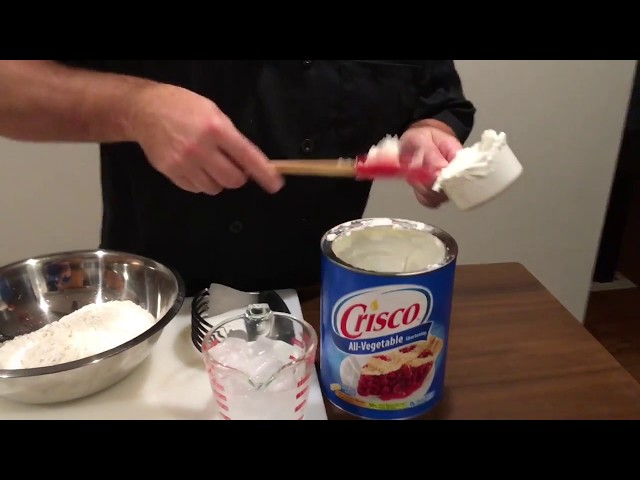
A pie crust is the outer layer of a pie, sometimes constituted of flour, water, and shortening. Shortening is a stable fats that’s used to create a flaky, tender crust. Lard, butter, and vegetable shortening are all frequent sorts of shortening utilized in pie crusts. Pie crusts could be made by hand or with a meals processor. There are various completely different recipes for pie crusts, however the primary components and strategies are the identical.
Pie crusts are an necessary a part of many pies. They supply a barrier between the filling and the skin air, they usually assist to maintain the filling moist and flavorful. Pie crusts will also be used to create ornamental designs on the highest of pies.
There are various alternative ways to make a pie crust. Some recipes name for a single crust, whereas others name for a double crust. Single crusts are made with one layer of dough, whereas double crusts are made with two layers of dough. Double crusts are sometimes used for pies which can be baked in a deep dish.
Pie Crust Recipe Straightforward Shortening
Creating a tasty pie crust is a culinary artwork type, and shortening performs a pivotal position in attaining that excellent steadiness of flakiness and tenderness. Listed below are eight key facets to think about when crafting the best pie crust utilizing shortening:
- Sort of Shortening: Lard, butter, or vegetable shortening every impart distinctive textures and flavors.
- Temperature: Chilly shortening helps create flaky layers, whereas room temperature shortening results in a extra tender crust.
- Chopping In: Correctly slicing the shortening into the flour ensures even distribution and prevents gluten improvement.
- Water: The quantity of water added impacts the crust’s texture and flakiness.
- Kneading: Over-kneading can toughen the crust, so deal with the dough gently.
- Chilling: Chilling the dough earlier than rolling helps stop shrinkage and improves its texture.
- Rolling: Roll the dough evenly to realize a constant thickness and forestall tearing.
- Baking: The oven temperature and baking time affect the crust’s shade and crispiness.
Understanding these facets empowers bakers to create distinctive pie crusts that elevate their creations. From the selection of shortening to the ultimate bake, every step contributes to the symphony of flavors and textures that outline a very memorable pie crust.
Sort of Shortening
The kind of shortening utilized in a pie crust recipe considerably influences the feel and taste of the completed product. Lard, butter, and vegetable shortening every possess distinct traits that contribute to the general high quality of the crust.
- Lard: Rendered from pork fats, lard produces a flaky, tender crust with a barely savory taste. It’s a conventional selection for pie crusts, notably in Southern delicacies.
- Butter: Comprised of churned cream, butter imparts a wealthy, buttery taste and a golden-brown shade to the crust. It creates a young, flaky texture when used chilly, however could make a harder crust if over-worked.
- Vegetable Shortening: Derived from plant oils, vegetable shortening produces a extra tender, crumbly crust with a impartial taste. It’s a sensible choice for these looking for a vegan or dairy-free choice.
The selection of shortening finally will depend on the specified texture and taste profile. Lard offers a traditional, flavorful crust, whereas butter provides a richer, extra indulgent choice. Vegetable shortening is a flexible selection that delivers a young, neutral-tasting crust.
Temperature
Within the context of “pie crust recipe simple shortening,” the temperature of the shortening performs an important position in figuring out the feel of the crust. Listed below are the important thing facets to think about:
- Chilly Shortening: When shortening is chilly, it creates distinct layers within the dough. These layers separate throughout baking, leading to a flaky, tender crust. This system is especially efficient for making a traditional flaky pie crust.
- Room Temperature Shortening: Utilizing room temperature shortening results in a extra tender, crumbly crust. The shortening blends extra evenly into the flour, making a cohesive dough. This sort of crust is good for tarts, galettes, and different pastries that require a extra delicate texture.
The selection between chilly and room temperature shortening will depend on the specified texture of the pie crust. For a flaky, layered crust, chilly shortening is the popular selection. For a young, crumbly crust, room temperature shortening is advisable. Understanding the affect of temperature on shortening conduct empowers bakers to create pie crusts that completely complement their fillings and elevate their baking creations.
Chopping In
Within the context of “pie crust recipe simple shortening,” the strategy of “slicing in” is important for making a flaky, tender pie crust. Chopping in includes utilizing a pastry cutter or two knives to include the shortening into the flour till it resembles coarse crumbs. This course of has a number of key advantages:
- Even Distribution: Chopping in ensures that the shortening is evenly distributed all through the flour. This prevents the formation of enormous pockets of shortening, which may result in a troublesome, greasy crust.
- Prevents Gluten Improvement: Gluten is a protein present in flour that offers baked items their construction. Overworking the dough may cause the gluten to develop an excessive amount of, leading to a troublesome, chewy crust. Chopping in helps to stop this by minimizing the quantity of manipulation the dough undergoes.
The right method for slicing in shortening includes utilizing a light-weight contact and dealing shortly. Keep away from overworking the dough, as this could result in a troublesome crust. As soon as the shortening has been minimize in, the dough needs to be chilled earlier than rolling and baking. This helps to additional stop gluten improvement and ensures a flaky, tender crust.
Water
Within the context of “pie crust recipe simple shortening,” the quantity of water added performs an important position in figuring out the feel and flakiness of the crust. Too little water may end up in a troublesome, dry crust, whereas an excessive amount of water can result in a soggy, undercooked crust. The best quantity of water will range relying on the kind of shortening used, the flour used, and the specified texture of the crust.
- Water’s Function in Hydration: Water hydrates the flour, permitting the gluten proteins to type a community that offers the crust its construction. The quantity of water added will have an effect on the energy of this community, and thus the feel of the crust.
- Impression on Gluten Improvement: Including extra water to the dough will lead to extra gluten improvement. This may result in a harder crust, because the gluten strands turn into extra elastic and fewer prone to break aside. Conversely, utilizing much less water will lead to much less gluten improvement, producing a extra tender crust.
- Balancing Moisture and Tenderness: The quantity of water added should be rigorously balanced to realize the specified texture. Too little water may end up in a dry, crumbly crust, whereas an excessive amount of water could make the crust robust and chewy. Discovering the suitable steadiness is essential to making a flaky, tender pie crust.
- Adjusting for Totally different Components: The best quantity of water for a pie crust recipe will range relying on a number of components, together with the kind of flour used and the specified texture of the crust. For instance, bread flour has the next protein content material than all-purpose flour, so it’s going to require extra water to realize the identical stage of tenderness.
Understanding the position of water in pie crust recipes is important for making a flaky, tender crust that completely enhances the filling. By rigorously adjusting the quantity of water added, bakers can obtain quite a lot of textures, from a fragile, melt-in-your-mouth crust to a extra sturdy, chewy crust.
Kneading
Throughout the context of “pie crust recipe simple shortening,” the importance of kneading can’t be overstated. Over-kneading the dough may end up in a troublesome, chewy crust, detracting from the general enjoyment of the pie. This exploration will delve into the connection between kneading and pie crust texture, emphasizing the significance of dealing with the dough with care.
The act of kneading develops the gluten community throughout the dough. Gluten is a protein present in wheat flour that gives construction and elasticity. Whereas some kneading is important to type a cohesive dough, extreme kneading may cause the gluten strands to turn into too tight and elastic, resulting in a troublesome crust. Shortening, a necessary ingredient in pie crust recipes, performs an important position in stopping extreme gluten improvement. Shortening coats the flour particles, inhibiting the formation of a robust gluten community and contributing to a young, flaky crust.
Understanding the affect of kneading on pie crust texture empowers bakers to realize their desired outcomes. By dealing with the dough gently and avoiding over-kneading, bakers can create a flaky, tender crust that enhances the filling completely. This understanding is especially worthwhile within the context of “pie crust recipe simple shortening,” because it highlights the significance of method in attaining a profitable final result.
Chilling
Throughout the context of “pie crust recipe simple shortening,” chilling the dough earlier than rolling is a vital step that contributes considerably to the general high quality of the pie crust. This course of, usually ignored or underestimated, performs a pivotal position in stopping shrinkage and enhancing the feel of the crust.
Chilling the dough permits the gluten strands to calm down, which in flip prevents the crust from shrinking excessively throughout baking. The chilly temperature inhibits the gluten from forming robust bonds, leading to a extra tender, flaky crust. Moreover, chilling the dough helps to distribute the shortening extra evenly, making a extra constant texture all through the crust.
The importance of chilling the dough turns into much more obvious when utilizing shortening within the pie crust recipe. Shortening, being a stable fats, tends to soften through the baking course of. Chilling the dough previous to rolling and baking helps to maintain the shortening chilly and evenly distributed, stopping it from melting too shortly and compromising the construction of the crust. This ends in a extra secure, flaky crust that holds its form and texture.
In conclusion, chilling the dough earlier than rolling is a necessary step in making a profitable pie crust, notably when utilizing shortening. By stopping shrinkage, bettering texture, and guaranteeing even distribution of shortening, chilling the dough lays the muse for a flaky, tender crust that enhances and enhances the filling.
Rolling
Throughout the context of “pie crust recipe simple shortening,” the method of rolling the dough evenly performs a pivotal position in attaining a profitable pie crust. Rolling the dough to a constant thickness ensures even cooking and prevents the crust from changing into too thick or skinny in sure areas. This precision is especially necessary when utilizing shortening, because the flakiness and texture of the crust depend on an excellent distribution of shortening all through the dough.
Rolling the dough too thinly may end up in a fragile crust that’s inclined to ripping through the baking course of. Conversely, rolling the dough too thickly can result in a troublesome, dense crust that lacks the specified flakiness. By rolling the dough to an excellent thickness, bakers can create a crust that’s each structurally sound and flaky.
Moreover, rolling the dough evenly helps to stop tearing, which may happen when the dough is stretched too erratically. Tearing can compromise the integrity of the crust, permitting filling to leak out throughout baking. Rolling the dough gently and patiently, utilizing a light-weight contact, minimizes the chance of tearing and ensures a cohesive crust.
In conclusion, rolling the dough evenly to realize a constant thickness and forestall tearing is a necessary step in making a profitable pie crust, notably when utilizing shortening. This system contributes to a flaky, tender crust that bakes evenly and maintains its structural integrity, enhancing the general high quality of the pie.
Baking
Within the context of “pie crust recipe simple shortening,” baking temperature and time play an important position in figuring out the colour and crispiness of the crust. Shortening, a key ingredient in pie crusts, contributes to the flakiness and tenderness of the crust, however its conduct throughout baking is influenced by the baking circumstances.
The next oven temperature will lead to a darker, crispier crust. It’s because the upper warmth causes the shortening to soften and evaporate extra shortly, forsaking a extra caramelized crust. Conversely, a decrease oven temperature will produce a lighter, much less crispy crust, because the shortening will soften and evaporate extra slowly, leading to a much less caramelized crust.
Baking time additionally impacts the colour and crispiness of the crust. An extended baking time will lead to a darker, crispier crust, because the shortening could have extra time to soften and evaporate. Conversely, a shorter baking time will produce a lighter, much less crispy crust, because the shortening could have much less time to soften and evaporate.
Understanding the affect of baking temperature and time on the crust’s shade and crispiness is important for making a pie crust that meets your required style and texture preferences. For a traditional flaky, golden brown crust, the next oven temperature and longer baking time are advisable. For a extra delicate, tender crust, a decrease oven temperature and shorter baking time are most popular.
FAQs on Pie Crust Recipe Straightforward Shortening
This part addresses ceaselessly requested questions and misconceptions relating to pie crust recipes utilizing shortening, offering clear and concise solutions to boost your baking data and abilities.
Query 1: Why is my pie crust robust?
A troublesome pie crust may result from a number of components. Overworking the dough can develop the gluten within the flour, resulting in a chewy texture. Utilizing too little shortening or erratically distributing it might additionally lead to a troublesome crust. Moreover, baking the crust at too low a temperature or for inadequate time can stop the crust from changing into flaky and crisp.
Query 2: How can I obtain a flaky pie crust?
Flaky layers in a pie crust are achieved by guaranteeing that the shortening is evenly distributed all through the dough and stays chilly. Utilizing a pastry cutter or two knives to chop the shortening into the flour creates small pockets of fats that separate throughout baking, leading to a flaky texture. Keep away from overworking the dough, as this could toughen the crust.
Query 3: What’s the greatest sort of shortening for pie crust?
The selection of shortening will depend on the specified texture and taste. Lard produces a flaky, tender crust with a barely savory taste. Butter provides a wealthy, buttery taste and golden-brown shade, however could make a harder crust if over-worked. Vegetable shortening creates a extra tender, crumbly crust with a impartial taste.
Query 4: How do I stop my pie crust from shrinking?
To forestall shrinkage, chill the dough earlier than rolling and baking. This enables the gluten to calm down and reduces the chance of the crust shrinking excessively throughout baking. Moreover, keep away from overworking the dough, as this could toughen the crust and make it extra susceptible to shrinkage.
Query 5: What’s the splendid temperature for baking a pie crust?
The best baking temperature for a pie crust will depend on the specified shade and crispiness. The next temperature (425-450F) ends in a darker, crispier crust, whereas a decrease temperature (375-400F) produces a lighter, extra tender crust.
Query 6: How do I retailer a pie crust?
An unbaked pie crust could be saved within the fridge for as much as 3 days or within the freezer for as much as 2 months. To retailer a baked pie crust, let it cool fully after which retailer it in an hermetic container at room temperature for as much as 3 days or within the freezer for as much as 2 months.
By understanding these frequent questions and their solutions, you’ll be able to elevate your pie crust-making abilities and persistently create scrumptious, flaky pie crusts that complement your favourite fillings.
Transition to the subsequent article part:
Now that you’ve mastered the artwork of making excellent pie crusts utilizing shortening, let’s discover extra suggestions and strategies for enhancing your baking repertoire.
Suggestions for Pie Crust Recipe utilizing Shortening
Creating an ideal pie crust utilizing shortening requires cautious consideration to method and element. Listed below are eight worthwhile tricks to elevate your pie-making abilities and obtain persistently scrumptious outcomes.
Tip 1: Select the Proper Shortening
The kind of shortening used considerably impacts the feel and taste of the crust. Lard produces a flaky, tender crust with a barely savory taste, whereas butter provides a wealthy, buttery taste and golden-brown shade. Vegetable shortening creates a extra tender, crumbly crust with a impartial taste. Choose the shortening that most accurately fits your required final result.
Tip 2: Hold Substances Chilly
Chilly components are important for a flaky crust. Hold the shortening, flour, and water chilled earlier than and through preparation. This prevents the shortening from melting too shortly, which can lead to a troublesome crust.
Tip 3: Minimize within the Shortening Correctly
Use a pastry cutter or two knives to chop the shortening into the flour till it resembles coarse crumbs. Keep away from overworking the dough, as this could develop the gluten and toughen the crust.
Tip 4: Use Ice Water
Add ice water one tablespoon at a time till the dough simply comes collectively. Over-hydrating the dough could make the crust robust and crumbly.
Tip 5: Chill the Dough
After forming the dough right into a ball, wrap it in plastic and refrigerate for a minimum of half-hour earlier than rolling. This enables the gluten to calm down and prevents shrinkage throughout baking.
Tip 6: Roll the Dough Evenly
Roll the dough out to an excellent thickness to make sure uniform baking. Use a rolling pin and flippantly flour the floor to stop sticking.
Tip 7: Bake at a Excessive Temperature
Preheat the oven to a excessive temperature (425-450F) earlier than baking the pie crust. This creates steam, which helps to type flaky layers.
Tip 8: Let the Crust Cool
Enable the pie crust to chill fully earlier than filling it. This helps to stop sogginess and ensures a crisp, flaky crust.
By following the following pointers, you’ll be able to persistently create scrumptious, flaky pie crusts that may elevate your pies to the subsequent stage.
Transition to the article’s conclusion:
With apply and a focus to element, you’ll be able to grasp the artwork of pie crust making utilizing shortening. Experiment with completely different strategies and fillings to create quite a lot of delectable pies that may impress your loved ones and pals.
Pie Crust Recipe Straightforward Shortening
All through this exploration of “pie crust recipe simple shortening,” we’ve delved into the intricacies of making a flaky, tender pie crust utilizing shortening. We’ve emphasised the importance of choosing the suitable shortening, sustaining chilly components, slicing within the shortening correctly, and chilling the dough.
By following the offered suggestions and strategies, you’ll be able to elevate your pie-making abilities and persistently obtain scrumptious outcomes. Experiment with various kinds of shortening, flours, and fillings to create a repertoire of delectable pies that may delight your style buds.
Youtube Video: