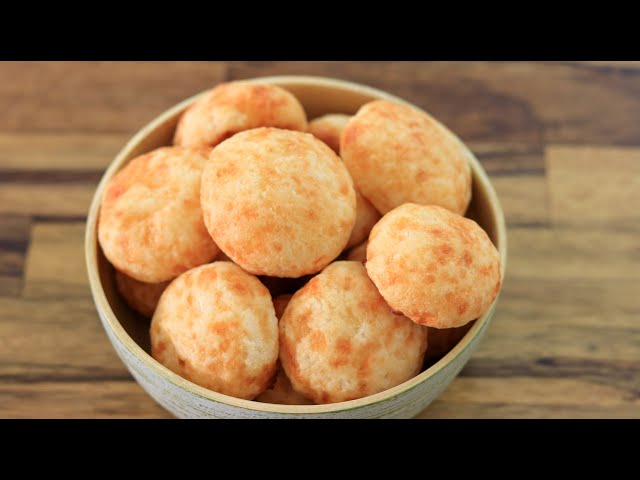
Recipe Pao de Queijo, a conventional Brazilian cheese bread, is a beloved culinary delight identified for its comfortable, chewy texture and tacky taste. Made with tapioca flour, cheese, eggs, and milk, it is a common snack or accompaniment to numerous dishes.
Pao de queijo holds cultural significance in Brazil, typically served at gatherings and celebrations. Its distinctive texture and style have gained worldwide recognition, making it a sought-after delicacy worldwide. The flexibility of the recipe permits for variations in cheese varieties and extra components, catering to numerous preferences.
On this article, we delve deeper into the historical past, cultural significance, and culinary facets of Pao de Queijo. We discover its origins, conventional preparation strategies, variations, and suggestions for making the right cheese bread at house. Be a part of us on a culinary journey as we unravel the secrets and techniques of this pleasant Brazilian deal with.
Recipe Pao de Queijo
Pao de queijo, a Brazilian cheese bread, holds cultural significance and culinary delight. Exploring its varied dimensions, we current 9 key facets:
- Origin: Minas Gerais, Brazil
- Foremost Elements: Tapioca flour, cheese, eggs, milk
- Texture: Smooth, chewy inside, crispy exterior
- Taste: Savory, tacky
- Versatility: Variations in cheese varieties, extra components
- Preparation: Mixing, shaping, baking
- Cultural Significance: Served at gatherings, celebrations
- Recognition: Beloved snack, accompaniment to dishes
- Worldwide Recognition: Sought-after delicacy worldwide
These facets spotlight the recipe’s Brazilian roots, distinctive components and texture, cultural significance, and world enchantment. The flexibility of the recipe permits for creativity and experimentation, whereas its preparation strategies guarantee a persistently pleasant deal with. Pao de queijo not solely satisfies style buds but in addition connects folks and cultures, making it a culinary treasure.
Origin
The genesis of Pao de Queijo lies within the coronary heart of Minas Gerais, a state in southeastern Brazil famend for its culinary traditions. This area’s distinctive geographical and cultural elements have performed a pivotal function in shaping the recipe.
-
Historic Roots:
Minas Gerais has a wealthy historical past of dairy farming, and cheese manufacturing has been an integral a part of the native tradition for hundreds of years. The abundance of recent, high-quality cheese offered the inspiration for the creation of Pao de Queijo.
-
Cultural Heritage:
Pao de Queijo is deeply embedded within the cultural material of Minas Gerais. It’s a staple meals, served at gatherings, celebrations, and on a regular basis meals, fostering a way of neighborhood and custom.
-
Geographical Influences:
The local weather and terrain of Minas Gerais favor the cultivation of cassava, the supply of tapioca flour. Tapioca flour imparts Pao de Queijo with its attribute chewy texture and distinctive taste.
The origin of Pao de Queijo in Minas Gerais is just not merely a matter of geographical coincidence however a testomony to the area’s culinary heritage, cultural traditions, and the abundance of native components. Understanding this origin gives a deeper appreciation for the importance and authenticity of this beloved Brazilian delicacy.
Foremost Elements
The principle components of Pao de Queijo tapioca flour, cheese, eggs, and milk play an important function in creating its distinctive texture, taste, and look. Every ingredient contributes particular qualities that mix harmoniously to provide this beloved Brazilian cheese bread.
-
Tapioca Flour:
Tapioca flour, derived from cassava root, offers Pao de Queijo its attribute chewy texture. When mixed with scorching liquid, tapioca flour gelatinizes, making a springy and elastic inside.
-
Cheese:
Cheese is the guts and soul of Pao de Queijo, offering its savory and tacky taste. Historically, Minas cheese, a semi-hard cheese from the Minas Gerais area, is used. Its delicate and nutty taste enhances the opposite components completely.
-
Eggs:
Eggs act as a binder, serving to to carry the components collectively and giving Pao de Queijo its barely crispy exterior. In addition they add richness and taste to the bread.
-
Milk:
Milk gives moisture and helps to create a easy batter. It additionally contributes to the general taste and texture of Pao de Queijo.
The mixture of those fundamental components, together with the standard preparation strategies, leads to the distinctive traits of Pao de Queijo. Its comfortable, chewy inside, crispy exterior, and tacky taste make it a pleasant deal with loved by folks worldwide.
Texture
The distinctive texture of Pao de Queijo, characterised by a comfortable, chewy inside and crispy exterior, is a results of the distinctive mixture of components and the standard preparation strategies used.
Using tapioca flour is essential in reaching the chewy texture of Pao de Queijo. When tapioca flour is mixed with scorching liquid, it gelatinizes, making a springy and elastic construction. This course of is enhanced by the addition of eggs, which bind the components collectively and contribute to the chewy texture.
The crispy exterior of Pao de Queijo is achieved by means of the baking course of. Because the bread bakes, the moisture evaporates from the floor, making a golden-brown crust. The distinction between the comfortable, chewy inside and the crispy exterior is a defining attribute of Pao de Queijo and contributes to its general enchantment.
Understanding the connection between the feel and the recipe of Pao de Queijo is important for individuals who want to make this delicacy at house. By fastidiously following the standard preparation strategies and utilizing the proper components, it’s potential to recreate the distinctive texture that makes Pao de Queijo so beloved.
Taste
The distinctive taste of Pao de Queijo, characterised by its savory and tacky notes, is a results of the cautious collection of components and the standard preparation strategies used.
-
Cheese:
Cheese is the predominant taste element in Pao de Queijo, and the kind of cheese used performs an important function in figuring out the general style. Historically, Minas cheese, a semi-hard cheese from the Minas Gerais area of Brazil, is used. Its delicate and nutty taste enhances the opposite components completely, offering a savory and barely tangy style.
-
Tapioca Flour:
Tapioca flour, derived from cassava root, contributes a refined sweetness to Pao de Queijo. When mixed with scorching liquid, tapioca flour gelatinizes, making a springy and elastic texture that helps to stability the richness of the cheese.
-
Eggs:
Eggs add richness and depth of taste to Pao de Queijo. In addition they assist to bind the components collectively and contribute to the marginally crispy exterior.
-
Milk:
Milk gives moisture and helps to create a easy batter. It additionally contributes to the general taste and texture of Pao de Queijo, including a refined creaminess.
The mixture of those components, together with the standard preparation strategies, leads to the distinctive savory and tacky taste of Pao de Queijo. Its distinctive style profile has made it a beloved deal with loved by folks worldwide.
Versatility
The flexibility of Pao de Queijo lies in its skill to adapt to completely different cheese varieties and incorporate extra components, permitting for a variety of flavors and textures. This versatility makes it a extremely customizable snack or accompaniment that may cater to numerous preferences.
-
Cheese Variations:
The kind of cheese utilized in Pao de Queijo performs a big function in figuring out its general taste. Whereas Minas cheese is conventional, different cheeses akin to Cheddar, Parmesan, or mozzarella can be utilized to create completely different taste profiles. Every cheese imparts its distinctive traits, permitting for limitless variations.
-
Further Elements:
Pao de Queijo could be enhanced with varied extra components to create distinctive and flavorful variations. Herbs akin to oregano or basil, spices like paprika or chili powder, and even greens like sun-dried tomatoes or olives could be included into the batter so as to add further layers of complexity.
The flexibility of Pao de Queijo encourages experimentation and creativity within the kitchen. By exploring completely different cheese varieties and extra components, house cooks {and professional} cooks alike can create their very own signature variations, making this Brazilian delicacy a really customizable deal with.
Preparation
The preparation of Pao de Queijo, involving mixing, shaping, and baking, is an important side that determines the ultimate high quality and traits of this Brazilian cheese bread. Every step performs an important function in reaching the distinctive texture, taste, and look that make Pao de Queijo so beloved.
Mixing the components completely ensures that every one elements are evenly distributed, leading to a easy and homogeneous batter. This course of prompts the tapioca flour, permitting it to soak up moisture and gelatinize throughout baking, creating the attribute chewy texture.
Shaping the batter into small balls is important for reaching the standard spherical type of Pao de Queijo. This step additionally helps to create a extra uniform baking course of, guaranteeing that every piece cooks evenly.
Baking at a excessive temperature creates a crispy exterior whereas permitting the inside to stay comfortable and chewy. The warmth causes the cheese to soften and bubble, contributing to the distinctive taste and texture of Pao de Queijo.
Understanding the connection between preparation and the recipe of Pao de Queijo is essential for individuals who want to make this delicacy at house. Cautious consideration to every step of the preparation course of, from mixing to baking, is important for reaching the specified outcomes.
By mastering the preparation strategies, house cooks {and professional} cooks alike can create completely crafted Pao de Queijo, capturing the genuine flavors and textures of this Brazilian culinary treasure.
Cultural Significance
The cultural significance of Pao de Queijo as a meals served at gatherings and celebrations in Brazil is deeply intertwined with its recipe and preparation. This connection underscores the significance of Pao de Queijo as a culinary and cultural image.
Pao de Queijo is greater than only a meals merchandise; it holds a particular place in Brazilian tradition, representing heat, hospitality, and togetherness. Its presence at gatherings and celebrations is a testomony to its skill to convey folks collectively and foster a way of neighborhood. The act of sharing and having fun with Pao de Queijo turns into a shared expertise, strengthening social bonds and creating lasting reminiscences.
The preparation of Pao de Queijo is commonly a collaborative effort, with relations and pals gathering to make massive batches for particular events. This shared expertise reinforces the cultural significance of the dish and passes down culinary traditions from one era to the following.
Understanding the connection between the cultural significance of Pao de Queijo and its recipe is important for appreciating its true worth. It highlights the function of meals in shaping cultural id and traditions, showcasing the facility of culinary heritage to attach folks and create a way of belonging.
Recognition
The recognition of Pao de Queijo as a beloved snack and accompaniment to dishes is inextricably linked to its recipe and preparation strategies. This connection manifests in a number of key sides:
-
Simplicity and Accessibility:
The recipe for Pao de Queijo is comparatively easy and accessible, requiring only some primary components and simple preparation steps. This simplicity makes it a well-liked alternative for house cooks {and professional} cooks alike, guaranteeing its widespread availability.
-
Versatility and Adaptability:
Pao de Queijo’s versatility and adaptableness contribute to its recognition. It may be loved as a standalone snack or served alongside varied dishes, complementing each candy and savory flavors. This versatility makes it a crowd-pleaser in each informal and formal settings.
-
Cultural Significance and Emotional Attraction:
As mentioned earlier, Pao de Queijo holds important cultural worth in Brazil, typically related to gatherings, celebrations, and household traditions. This emotional enchantment enhances its recognition, making it a beloved deal with that evokes a way of nostalgia and luxury.
-
Well being and Dietary Worth:
Regardless of its indulgent style, Pao de Queijo gives sure well being advantages. Tapioca flour is an efficient supply of resistant starch, which may help intestine well being and regulate blood sugar ranges. Moreover, the cheese content material gives calcium and protein.
In conclusion, the recognition of Pao de Queijo as a beloved snack and accompaniment to dishes stems from its easy but versatile recipe, cultural significance, and dietary worth. These elements mix to make it a extensively loved delicacy in Brazil and past.
Worldwide Recognition
The worldwide recognition of Pao de Queijo as a sought-after delicacy stems from its distinctive recipe and preparation strategies, which mix to create a charming culinary expertise. This recognition is manifested in a number of key sides:
- World Attraction: Pao de Queijo’s recognition has transcended Brazil’s borders, charming style buds worldwide. Its distinctive texture, savory taste, and flexibility have made it a sought-after delicacy in lots of international locations and cultures.
- Culinary Status: Pao de Queijo has earned a spot of honor in worldwide culinary circles. It has been featured in prestigious meals publications, acknowledged by famend cooks, and is commonly served in advantageous eating institutions.
- Tourism and Cultural Alternate: Pao de Queijo has turn into an envoy of Brazilian delicacies, attracting vacationers and meals fans to Brazil. Its presence on menus and in markets worldwide fosters cultural change and promotes a deeper appreciation of Brazilian culinary traditions.
- Adaptability and Innovation: Worldwide recognition has impressed cooks and meals fans to experiment with Pao de Queijo, incorporating it into new dishes and creating modern variations. This adaptability showcases its versatility and potential as a culinary canvas.
In conclusion, the worldwide recognition of Pao de Queijo as a sought-after delicacy is a testomony to its distinctive recipe and preparation strategies. Its world enchantment, culinary status, function in cultural change, and adaptableness have solidified its place as a beloved delicacy worldwide.
Steadily Requested Questions on Pao de Queijo
This part addresses frequent inquiries and misconceptions surrounding the beloved Brazilian cheese bread, Pao de Queijo, offering concise and informative solutions.
Query 1: What’s the origin of Pao de Queijo?
Pao de Queijo originated within the Minas Gerais area of Brazil, the place it has been a culinary staple for hundreds of years. Its distinctive mixture of tapioca flour, cheese, eggs, and milk offers it its attribute texture and taste.
Query 2: What kind of cheese is historically utilized in Pao de Queijo?
Minas cheese, a semi-hard cheese from the Minas Gerais area, is the standard alternative for Pao de Queijo. Its delicate and nutty taste enhances the opposite components harmoniously.
Query 3: Can I take advantage of different forms of cheese in Pao de Queijo?
Whereas Minas cheese is most well-liked, different cheeses can be utilized to create variations in taste. Cheddar, Parmesan, or mozzarella are common alternate options.
Query 4: How do I obtain the signature chewy texture of Pao de Queijo?
The chewy texture is primarily attributed to using tapioca flour. When mixed with scorching liquid, tapioca flour gelatinizes, making a springy and elastic construction.
Query 5: Can Pao de Queijo be made gluten-free?
Sure, it’s potential to make gluten-free Pao de Queijo utilizing different flours akin to almond flour or coconut flour as an alternative of tapioca flour.
Query 6: What are some common variations of Pao de Queijo?
Variations embrace including herbs, spices, or greens to the batter, akin to oregano, paprika, or sun-dried tomatoes. Various kinds of cheese can be used to create distinctive taste profiles.
These questions and solutions present a deeper understanding of Pao de Queijo’s historical past, components, preparation, and variations, empowering you to discover and revel in this Brazilian delicacy.
Transition to the following article part…
Suggestions for Crafting the Good Pao de Queijo
Mastering the artwork of Pao de Queijo requires cautious consideration to element and some important suggestions:
Tip 1: Use high-quality components.
The standard of your components immediately impacts the ultimate product. Go for recent, high-fat cheese, akin to Minas cheese, and advantageous tapioca flour for the most effective outcomes.Tip 2: Let the dough relaxation.
After mixing the dough, permit it to relaxation for a minimum of half-hour. This resting interval permits the tapioca flour to totally hydrate, leading to a extra tender and flavorful Pao de Queijo.Tip 3: Preheat your oven correctly.
A preheated oven is essential for reaching the signature crispy exterior and fluffy inside of Pao de Queijo. Preheat your oven to the really helpful temperature earlier than baking.Tip 4: Do not overcrowd the baking sheet.
Overcrowding the baking sheet can stop the Pao de Queijo from cooking evenly. Guarantee there may be sufficient house between each bit to permit for correct air circulation.Tip 5: Bake till golden brown.
The best baking time might range relying in your oven. Preserve an in depth eye on the Pao de Queijo and take away it from the oven as soon as it reaches a deep golden brown shade.Tip 6: Serve heat.
Pao de Queijo is greatest loved recent out of the oven. Serve it heat together with your favourite dipping sauce or accompaniment.Tip 7: Freeze for later.
You probably have leftover Pao de Queijo, you’ll be able to freeze it for later use. Thaw it at room temperature earlier than reheating in a preheated oven or toaster oven.Tip 8: Experiment with flavors.
When you grasp the essential recipe, be at liberty to experiment with completely different flavors. Strive including herbs, spices, and even shredded greens to the batter for a personalized style.By following the following pointers, you’ll be able to persistently create scrumptious and genuine Pao de Queijo that can impress your loved ones and pals.
Transition to the article’s conclusion…
Recipe Pao de Queijo
Our exploration of “recipe pao de queijo” has revealed its significance as a beloved Brazilian cheese bread, cherished for its distinctive texture, savory taste, and cultural significance. The article delved into its origins in Minas Gerais, the important components that contribute to its distinct traits, and the flexibility that permits for limitless variations.
Understanding the preparation strategies, from mixing to baking, is essential for reaching the right Pao de Queijo. Its recognition as a snack and accompaniment stems from its simplicity, accessibility, and adaptableness. The worldwide recognition of this delicacy showcases its world enchantment and culinary status.
The article additionally addressed often requested questions and offered suggestions for crafting the right Pao de Queijo at house. Through the use of high-quality components, permitting the dough to relaxation, and baking on the proper temperature, you’ll be able to create genuine and scrumptious cheese bread that can delight your style buds.
Pao de Queijo serves as a testomony to the richness and variety of Brazilian delicacies. Its presence at gatherings and celebrations reinforces its cultural significance, fostering a way of neighborhood and custom. As we proceed to discover the culinary panorama, allow us to respect the distinctive flavors and tales behind every dish, recognizing their skill to attach folks and cultures.
Youtube Video: